If you are excited to learn crochet, the first question that probably comes to mind is, “What materials do I need to get started? Well good thing about crochet is that crochet is one of the most affordable hobbies you can learn. Unlike many arts that require expensive materials, you only need a few basic tools to begin your crochet journey.
When I starts my first crochet journey and bought supplies I thought I needed every hook size, fancy accessories, and lots of different yarns. But I did research about it and realise that wasn’t true. In fact, I only used, a ball of yarn, a 3mm crochet hook and a pair of scissors for my first few projects. As I practice more I gain more confident, I slowly started to added more tools.
If you are holding crochet hook and yarn for the first time, don’t feel pressured to buy everything at once. Just buy the essentials, start practice the basics, and add new tools as your start growing your skills.
In this guide, I will explain the crochet tools and materials that every beginner should know. And each of them used first and what materials are worth buying.
1. Crochet Hook
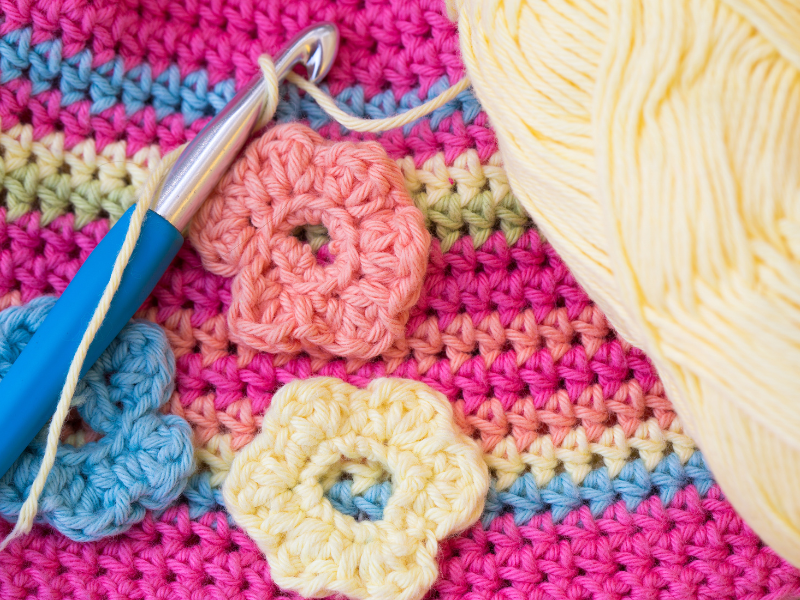
A crochet hook is the most essential tool you will buy because every crochet project starts with that. Crochet hooks come in different sizes and materials. And choosing the right one makes learning much easier for beginners. If you are buying hook for the first time, I recommend a 3 mm or 3.3 mm crochet hook. These sizes go well with medium weight yarn and make it easier to see your stitches which is most important.
Types of Crochet hooks are available:
- Plastic hooks
- Aluminum hooks
- Ergonomic hooks with soft handles
- Bamboo hooks
Many experienced people have like ergonomic hooks because they are comfortable to hold during long crochet sessions. but a simple aluminum hook is also more than enough when you are starting.
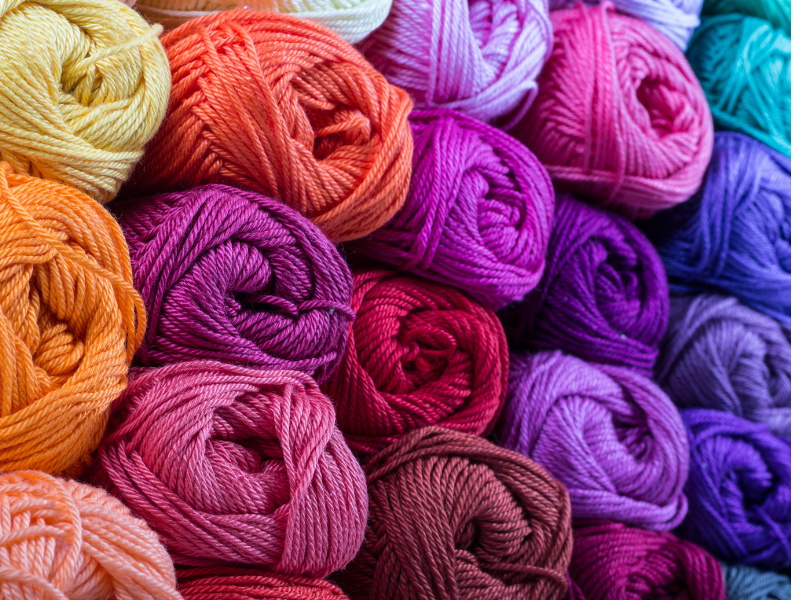
2. Yarn
Without using yarn, you cannot make any crochet projects. Walking into a craft store or online shopping can feel overwhelming because there are so many colors and textures in types to choose from.
Acrylic or cotton yarn is the best option for beginners. It does not split easily, also the stitches are clearly visible while you’re practicing.
People usually prefer Light-colour yarn over dark yarn. Because in light colour you can see the stitches. Black or navy yarn can hide the stitches which makes hard to learn where to insert your hook.
Common types of yarn:
Acrylic Yarn
- Affordable to purchase
- Beginner-friendly for learning
- Many colors available
- Best for practice projects
Cotton Yarn
- Durable and Strong yarn
- Perfect for bags and coaster
- It holds shapes well
Wool Yarn
- Warm and Soft
- Ideal for winter clothes
As a beginner, start with acrylic yarn and then explore different type of yarns.
3. Scissors
Scissors is a small tool yet very important and you will have to use them in almost every project. An any pair of scissors helps you trim yarn neatly without leaving fraying the ends. You do not require expensive scissors any small, sharp pair will work perfectly.
Many people keep a pair of scissors in their crochet bag so they can reach very easily.
4. Yarn Needle
when you finish crochet project, you will usually have a few loose yarn ends. Instead of tying bulky knots, which does not look good use a yarn needle to weave ends into the stitches.
This simple step makes your finished project look much neat and also prevents the yarn from coming from crochet project over times. Yarn needles have large holes, making them easy to thread with even thicker yarn.
5. Stitch Markers
When start projects, have you ever lost track of where a row begins or ends, stitch markers will help you remember your last stitch.
These small things will help you:
- Mark the first stitch to remember where you start
- Mark the last stitch to remember where you end
- Which count pattern repeats
They’re especially useful when you make crochet which require same counting stitches for example like bags. Where you have same counting stitches in rows.
If you do not stitch markers it is fine. A safety pin can work as a temporary marker.
6. Measuring Tape
As your projects become larger, measuring tape becomes very helpful to make projects as per your liking.
It is helpful for checking:
- Crochet project length
- Blanket size matter
- Bag dimensions for make it in your preference
- Very helpful when you make crochet clothes
7. Row Counter
Beginners often forgets track of how many rows they have completed. A row counter solves this kind of problems with helping you keep an accurate count, especially when working on larger projects.
Although not necessary, it is handy tool which saves time and also reduces mistakes.
8. Fiberfil /Stuffing
When you are interested in making crochet soft toys, keychains you will need fiberfill.
This soft fibrefill stuffing gives projects their shape while keeping them lightweight.
Polyester fibrefill is the most commonly used for beginners because it is washable, soft, and easy to work with.
9. Glue Gun
A glue gun is not required for traditional crochet; however, it can be very useful for craft projects like rose bouquet.
Things which require use a glue gun when making:
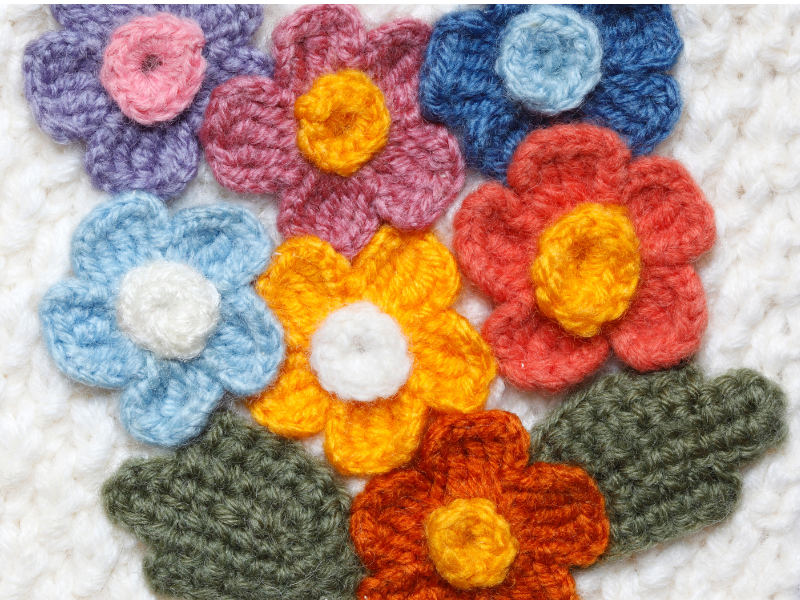
- Crochet flowers Keychains
- Crochet bouquet
- Hair accessories like hair pin
- Decorative frames and crochet bangles
- Home décor items
It helps attach crochet projects well with each other securely to clips, headbands, or other craft materials.
10. Wooden Sticks/ Floral Wire
If you want to make crochet roses or flowers, you will likely need wooden sticks or floral wire so that its stand well.
These provide support for flower, helping finished bouquet stand upright. Wrapping the stems with floral tape creates a neat and realistic finishing.
Helpful Storage Accessories to Use
As your collection grows, it becomes important to keep your supplies organized.
Some useful storage items should be including:
- Crochet organizer bag where you can store
- Small storage boxes for meddles and Scissors
- Yarn bowl for keeping yarn
- Zip pouches for hooks to keep
- notebook for pattern
Keeping and organizing everything in one place makes it much easier to find things. And also for finding next project without searching for missing tools.
Do You Need Every Crochet Tool Right Away?
No you do not require every crochet right now.
When you’re learning for the first time, focus on these five essentials:
- Crochet hook (3 mm)
- Yarn (light color)
- Sharp Scissors
- Yarn needle for projects
- Stitch markers to remember stitch
Everything else can be added later as you begin exploring new projects.
Starting with this tools helps you understand what types of accessories you required instead of buying items that may sit unused.
Frequently Asked Questions
What is the most important crochet tool?
A crochet hook is the most important tool because every project begins with it.
Which crochet hook size is best for beginners?
A 4 mm or 5 mm crochet hook is ideal because it’s easy to handle and works well with medium-weight yarn.
Is acrylic yarn good for beginners?
Yes. Acrylic yarn is affordable, easy to find, and simple to work with, making it a great choice for beginners.
Do I need stitch markers?
They’re optional, but they make it much easier to keep track of stitches and rows, especially for beginners.